
Guide, United States
Best emergency power for a home blackout
When the power goes out, most households need four things in this order: light, news, a way to keep phones charged, and then, if the outage runs long, bigger battery power. This guide walks through each one, what to look for on the box, and the safety rules that come with it.
Start with light, not a generator
Ready.gov's kit list puts a portable light source and spare batteries near the top, and the CDC advises using flashlights and battery lanterns instead of candles. A good setup is one hands free light per person, so nobody walks the stairs holding a phone, and one lantern for the room you gather in.
What to look for:
- Headlamps for each person. Hands free matters when you are carrying kids, food or tools.
- A lantern for the shared room. It lights a table, not just a spot.
- USB rechargeable or crank options, so you are not relying only on a drawer of AA batteries.
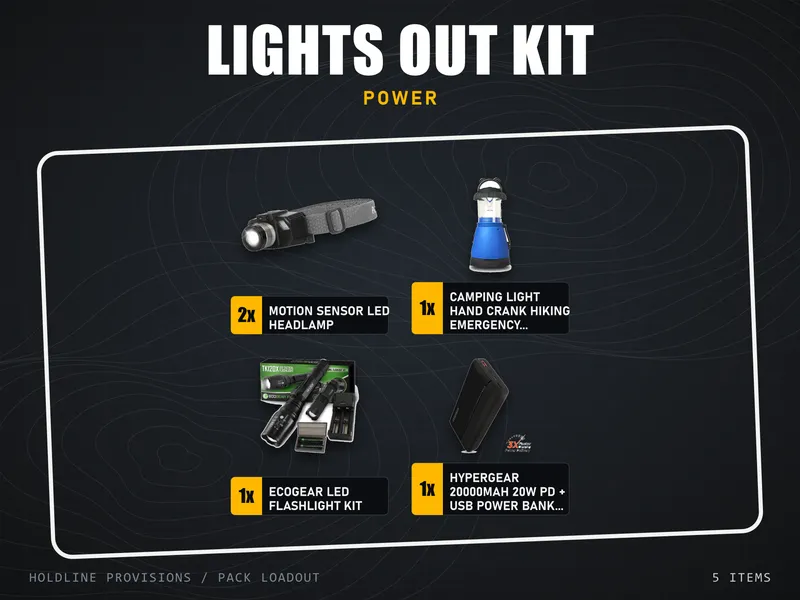
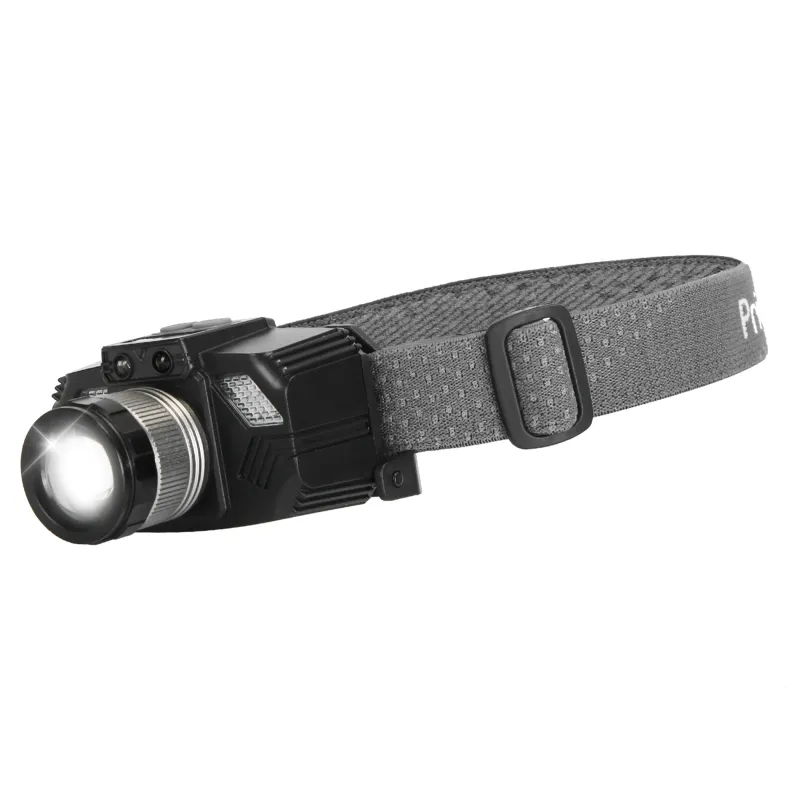 Motion sensor LED headlampHands free light that switches with a waveSee details and price
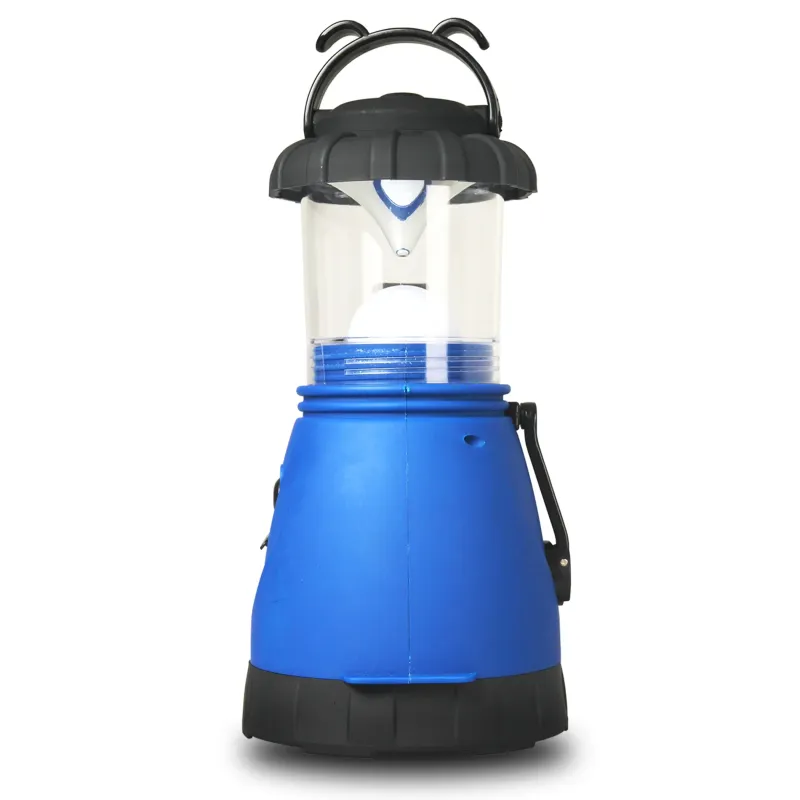 Hand crank emergency spotlight lanternWind it up when the batteries are goneSee details and price
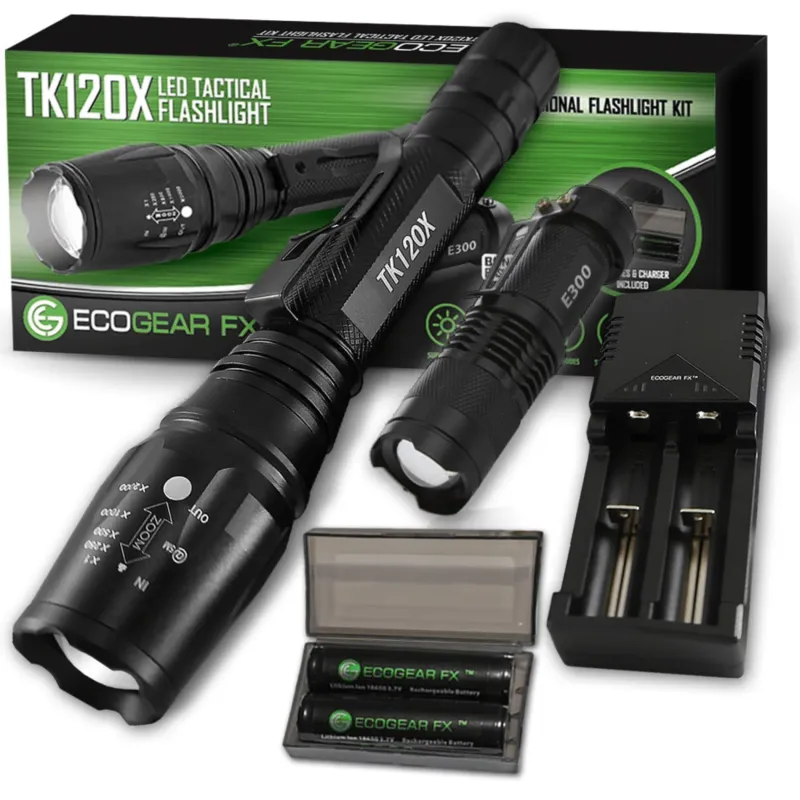 EcoGear LED flashlight kitA set of flashlights for the drawer and the carSee details and price
Then a radio for news
Phone networks can slow down in a wide outage. Ready.gov lists a battery or hand crank radio plus a NOAA Weather Radio with a tone alert. The National Weather Service runs NOAA Weather Radio as a continuous broadcast of warnings and forecasts. A radio that also charges a phone is two jobs in one box.
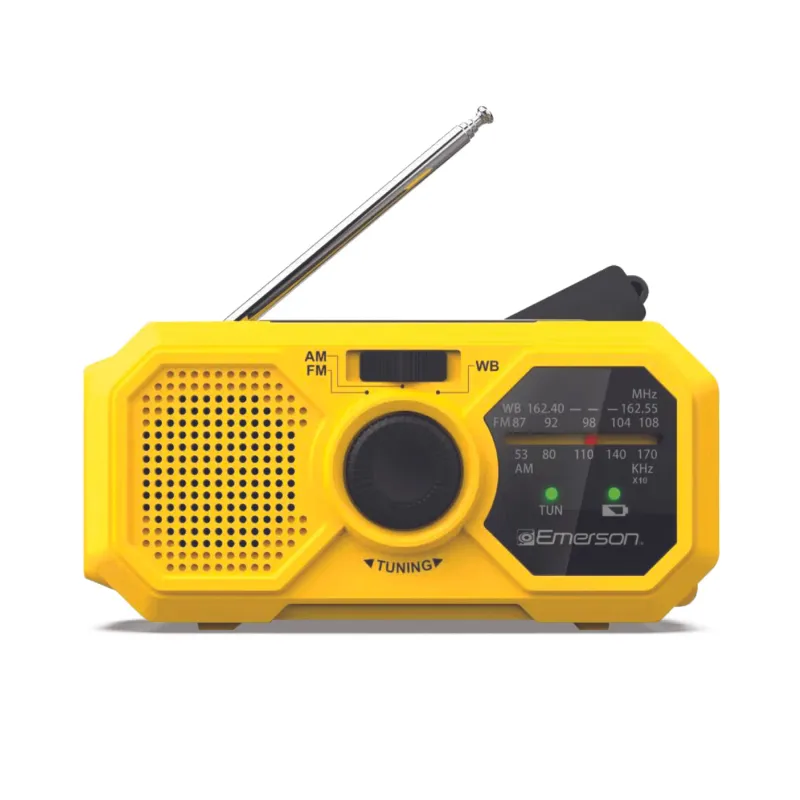 Emerson emergency AM/FM radio with weather bandWeather band, flashlight and phone chargingSee details and price
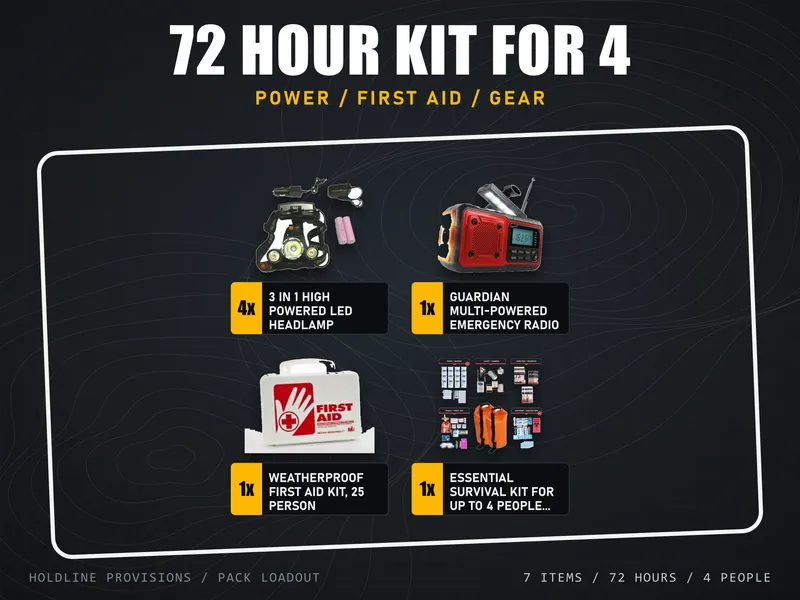
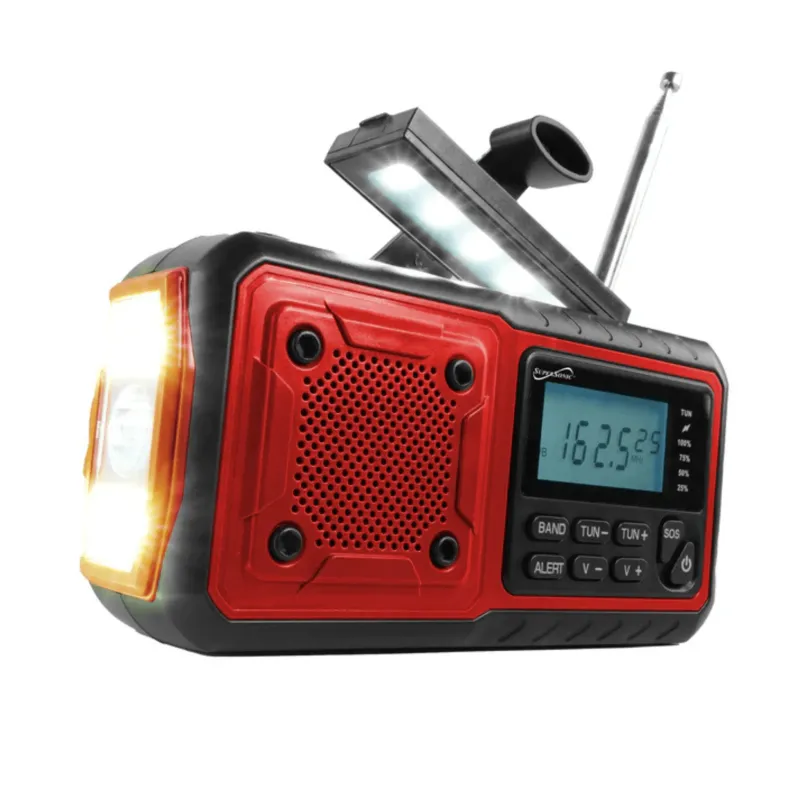 Guardian multi powered emergency radioCrank, solar and USB power optionsSee details and price
Phone charging: power banks sized for the house
A phone is your torch, your map and your contact list, so charging is the next priority. Ready.gov names a cell phone with chargers and a backup battery.
How to size it without guesswork: check the mAh figure printed on the power bank and on your phone's spec sheet. A 20,000 mAh bank holds several full phone charges in practice, minus conversion losses. Keep one bank per two adults, charged, in the kit box, and top it up every few months.
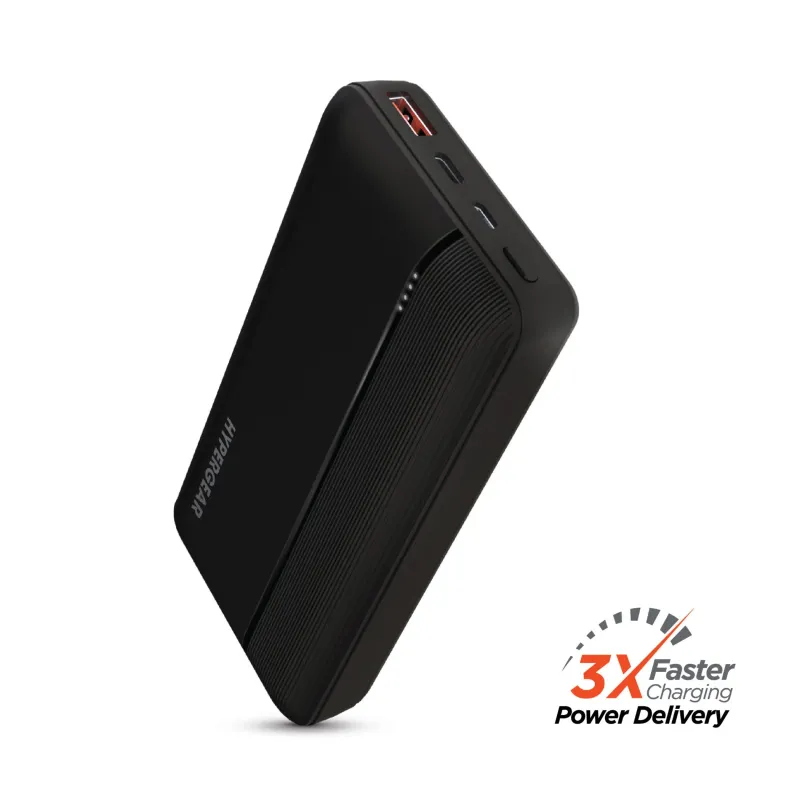 Hypergear 20,000 mAh 20 W PD power bankFast charge USB-C and USB portsSee details and price
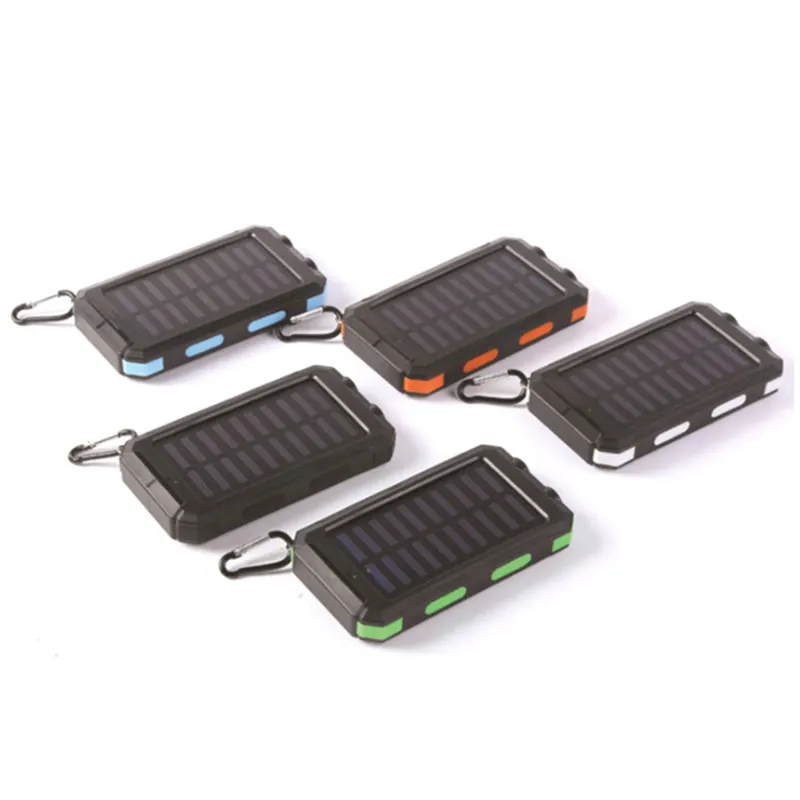 20,000 mAh waterproof solar power bankA solar panel on the case for slow top upsSee details and price
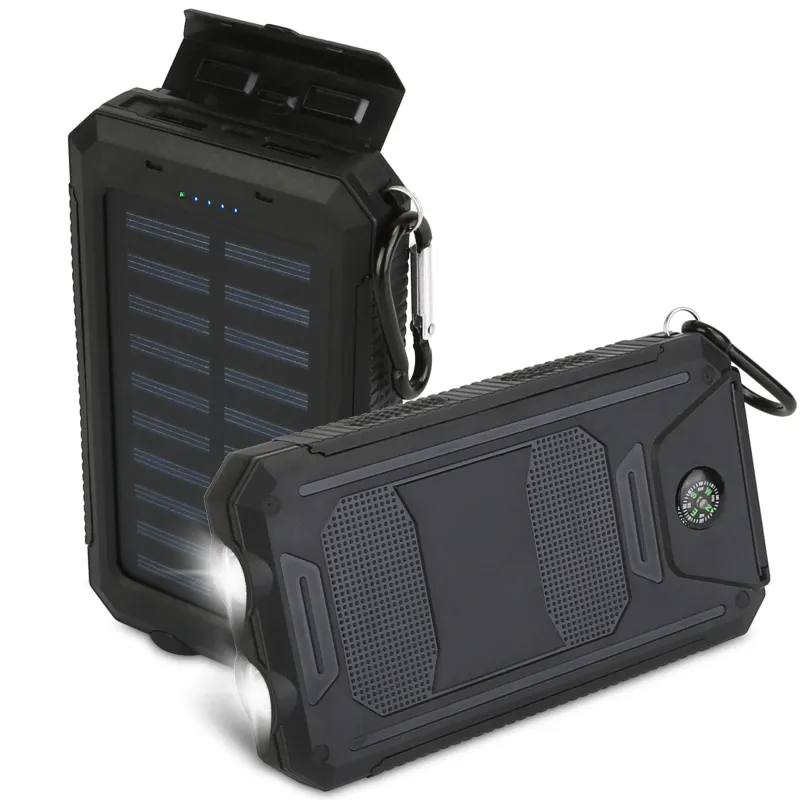 10,000 mAh solar power bankA smaller bank for a bag or the carSee details and price
Bigger battery power, and the generator rules
For longer outages some households add a portable power station or a generator. We make no claim about how long any unit will run any appliance: read the maker's ratings and manual.
The CDC and Ready.gov are clear on generators: run them outside only, away from windows, doors and vents, and never in a garage, basement or carport, even with the door open. Carbon monoxide has no smell or colour. Put a battery powered carbon monoxide alarm on each level of the home.
If someone at home uses a powered medical device, talk with the provider about a backup plan, and tell your utility. That is a plan for a professional to help you make, not one a shop should make for you.

The one box answer
If you would rather buy this once, the Lights out kit packs a flashlight kit, two motion sensor headlamps, a crank lantern and a 20,000 mAh power bank.

Pair it with the free 72-Hour Family Plan so everyone knows where the box is, and keep an eye on outages and warnings near home on the Situation screen. For the full list of what else to keep, read the power outage emergency kit list.
FAQ
What should I buy first for a blackout? Light for each person, then a radio, then a power bank. That order follows the Ready.gov kit list and costs the least for the most use.
Are candles fine in a power cut? The CDC advises flashlights and battery lanterns instead of candles.
Can I run a generator in the garage with the door open? No. The CDC says to keep generators outside and away from windows, doors and vents.
How big a power bank do I need? Compare the mAh on the bank with your phone's battery. Plan on at least one charged bank for every two adults.
Sources and last checked
- Ready.gov: Power Outages
- Ready.gov: Build a Kit
- CDC: Power Outage Safety
- CDC: Carbon Monoxide
- National Weather Service: NOAA Weather Radio


Kits for this guide

Free with any kit, or on its own: the 72-Hour Family Plan PDF.
More guides for United States
- 72 Hour Kit for a Family of Four: Full List and Quantities
- 72 Hour Kit vs Build Your Own: Which Should You Buy?
- 72-Hour Kit List for a Family, With Free Printable
- Affordable Home Security for Renters: Sensors, Locks, Lights
- Apartment Security System: A Renter Setup With No Drilling
- Best Bug Out Bag: How to Choose a Pack and a Kit
- Best Emergency Food Supply for a Family: Buckets and Bundles
- Best First Aid Kit for Home and Car: How to Choose
- Bug Out Bag List for a Family of Four
- Car Emergency Kit List: What Goes in a Breakdown Kit
- Emergency Kit Gift for Elderly Parents: What to Send and How
- Emergency Radio Buying Guide: Hand Crank and NOAA Weather
- Home Security for Renters: No-Drill Options
- How to Watch Over Family With a Free Emergency Alerts Screen
- Pet Emergency Kit List: What Your Dog or Cat Needs
- Power Outage Emergency Kit: Full List and Safety Rules
- Prepping for Beginners: A Calm 7-Day Plan
- Starter Cordless Tool Kit for Emergencies at Home
- Winter Storm Preparedness Kit: A Checklist for Home